
Fairy Tales
10 stories
Fairy tales invite children into a world where ordinary moments can become extraordinary: a lantern can lead the way home, a tiny star can answer a wish, and a brave dragon can become a gentle friend. Young readers love the clear sense of wonder in these stories. Magical settings, memorable characters, and satisfying endings make it easy for children to imagine themselves climbing high into the clouds, entering a sparkling palace, or helping someone in need. Just as importantly, the adventures feel exciting without losing the comfort of a hopeful ending.
Parents can expect our fairy tales to pair imaginative fun with age-appropriate emotional lessons. The characters may encounter dark forests, towering castles, mysterious magic, or big problems, but they solve them through courage, patience, kindness, and cooperation rather than cruelty. These stories are ideal for reading aloud because they offer vivid details to discuss together: What would your child do with a glowing lantern? How might they help a friend who is afraid? Why is it important to make a fair choice?



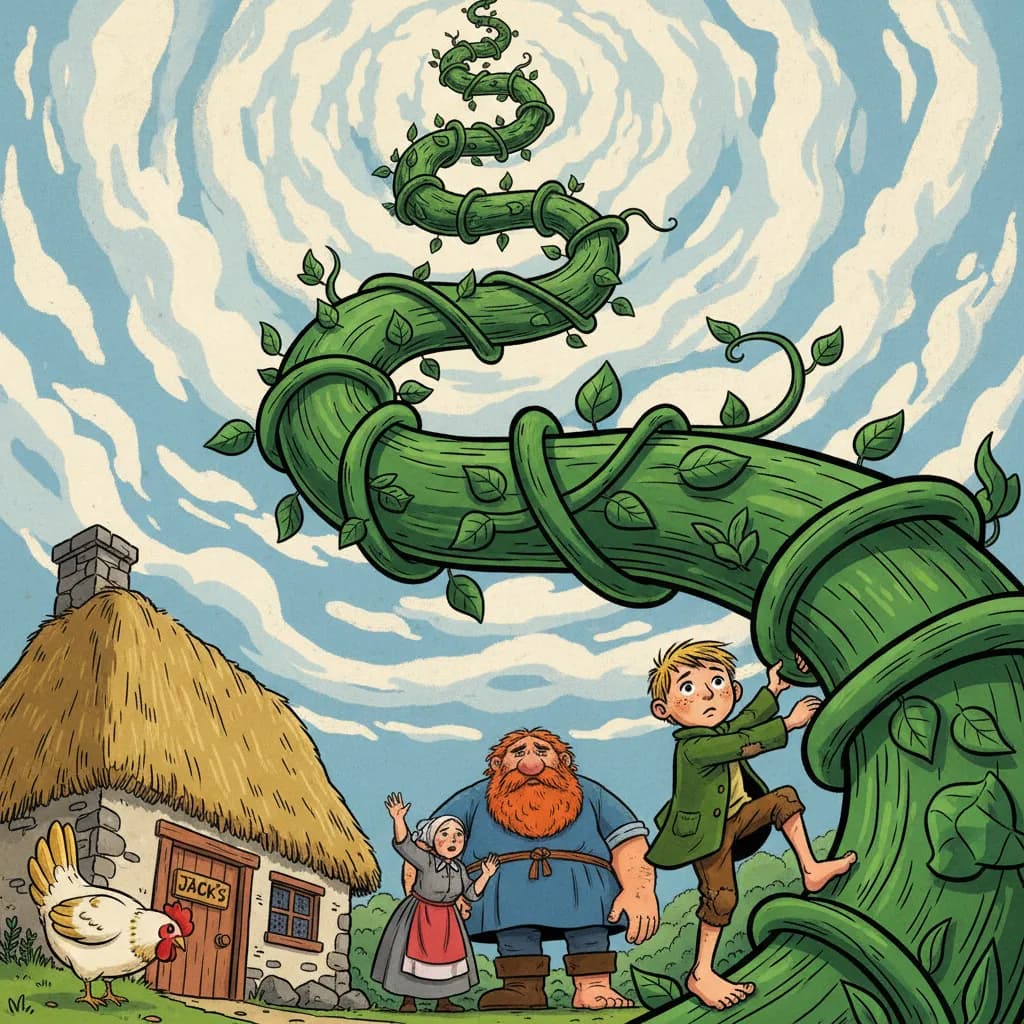
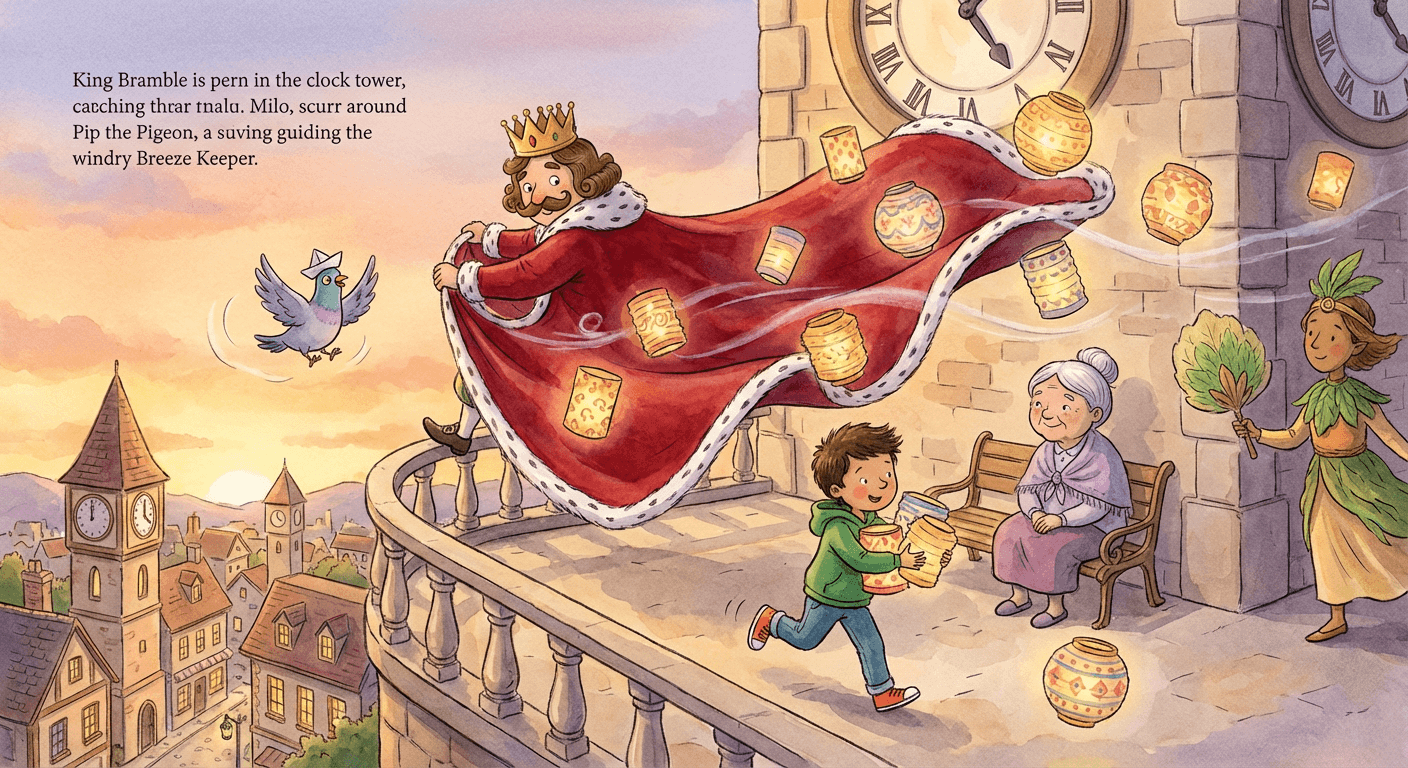
Classic story ingredients appear throughout the collection in fresh, child-friendly ways. In “Jack and the Beanstalk,” Jack’s famous climb leads to a giant’s castle, but the story also encourages problem-solving and a fair-minded resolution. “The King Who Wouldn’t Try” uses a royal setting to show that leadership includes humility and that even small chores are worth learning. Children can see that being important does not mean asking others to do everything for you.
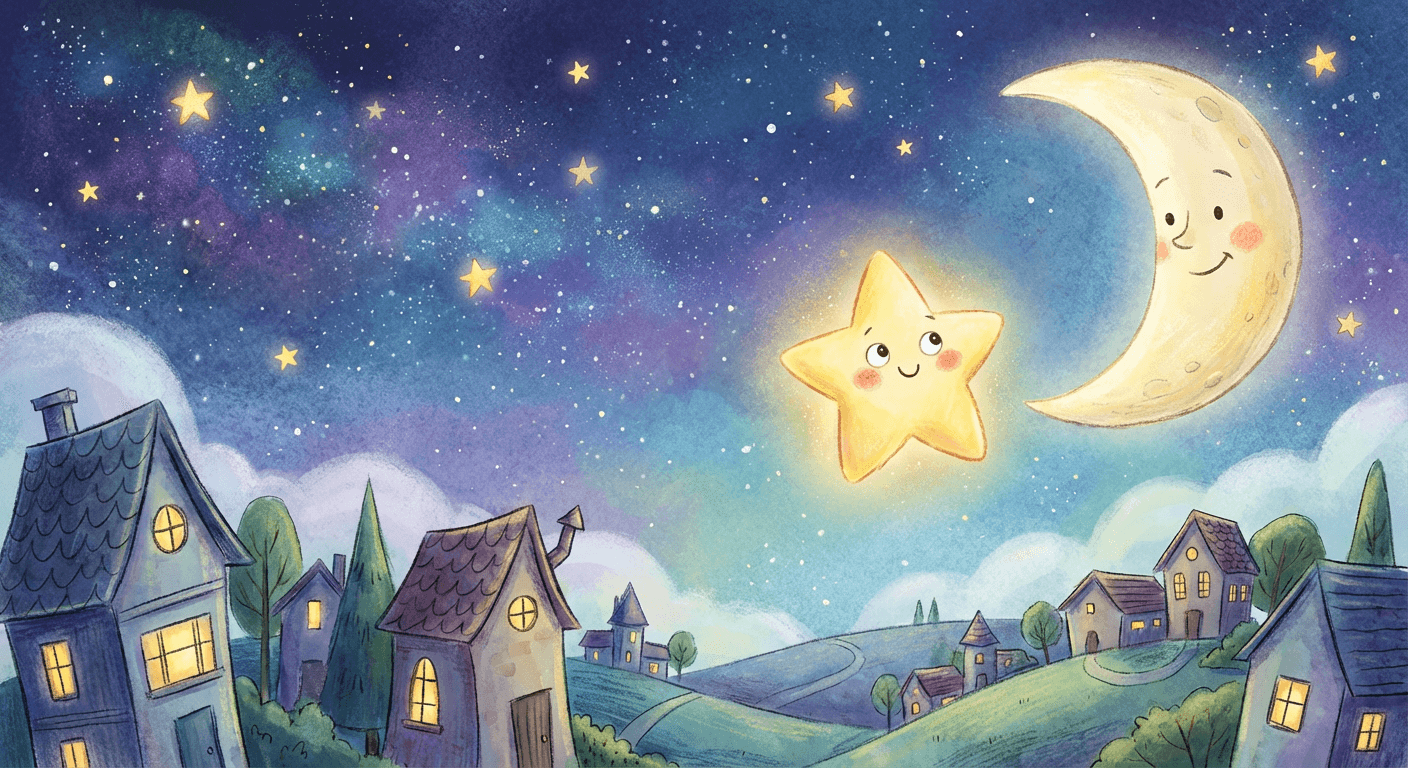
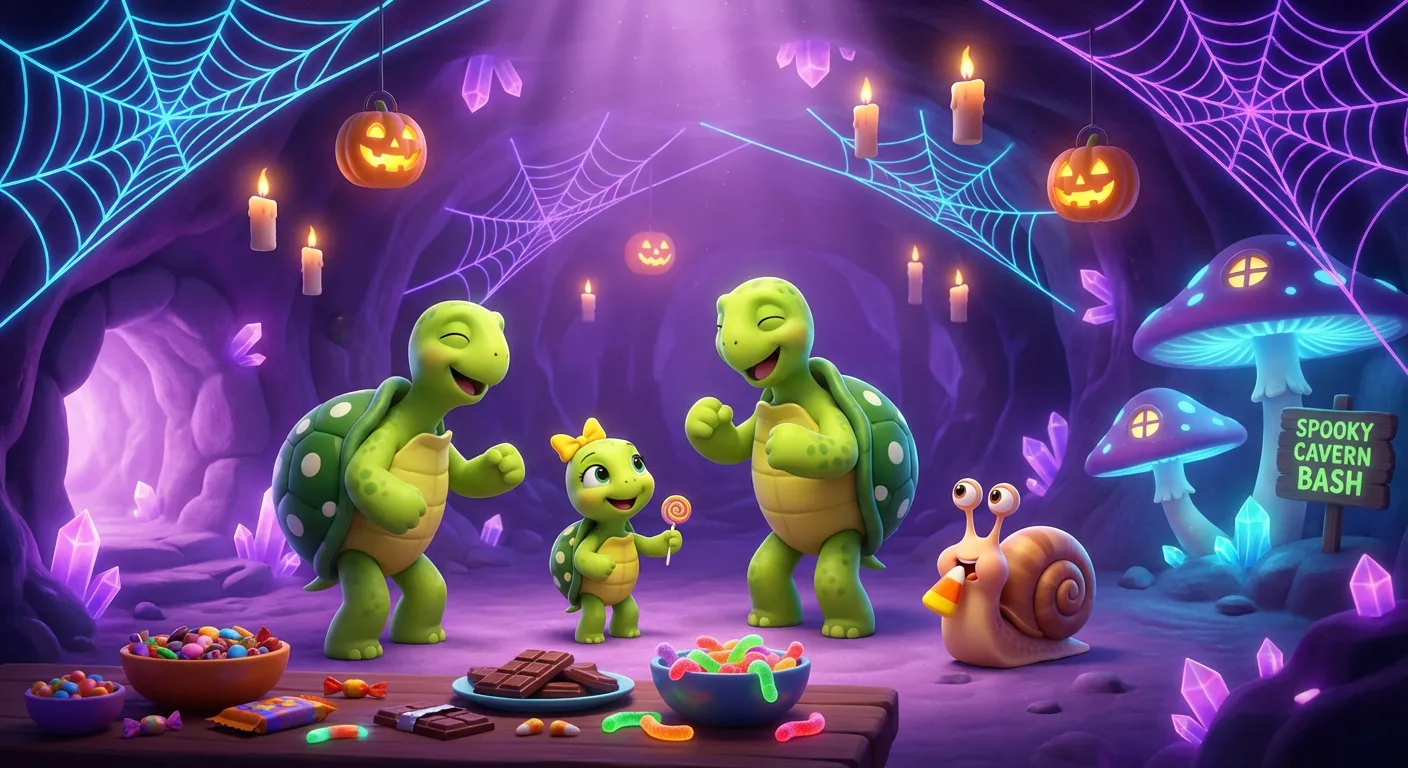
Magic often works best in children’s literature when it reveals something true about a character. In “Star the Four-Star,” a little star practices patiently until it can shine brightly enough to fulfill a sleepy child’s wish. The story gently celebrates perseverance and reminds children that skills grow with practice. “Tales from the Spore Valley” turns a mushroom-filled underground world into a glittering place of discovery, showing that curiosity can uncover beauty in unexpected places.
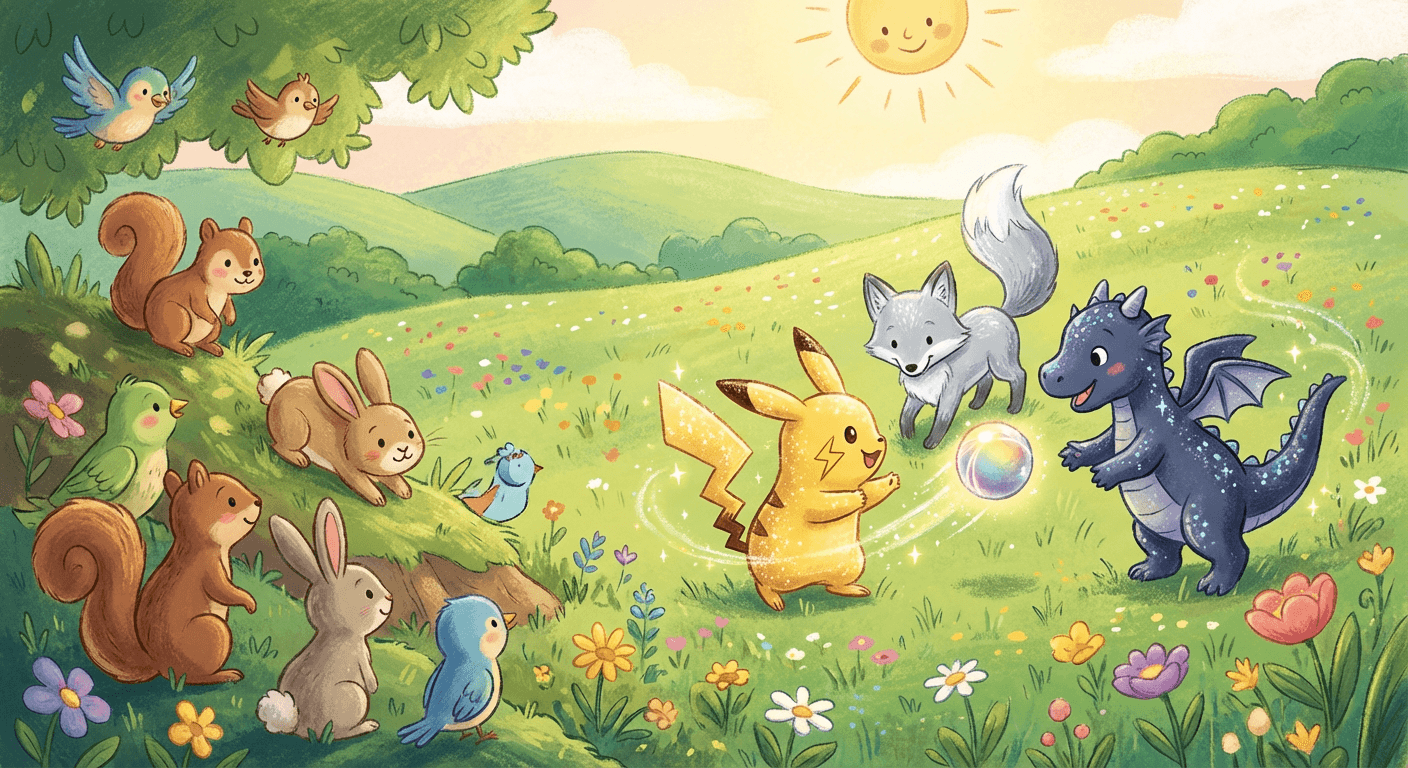
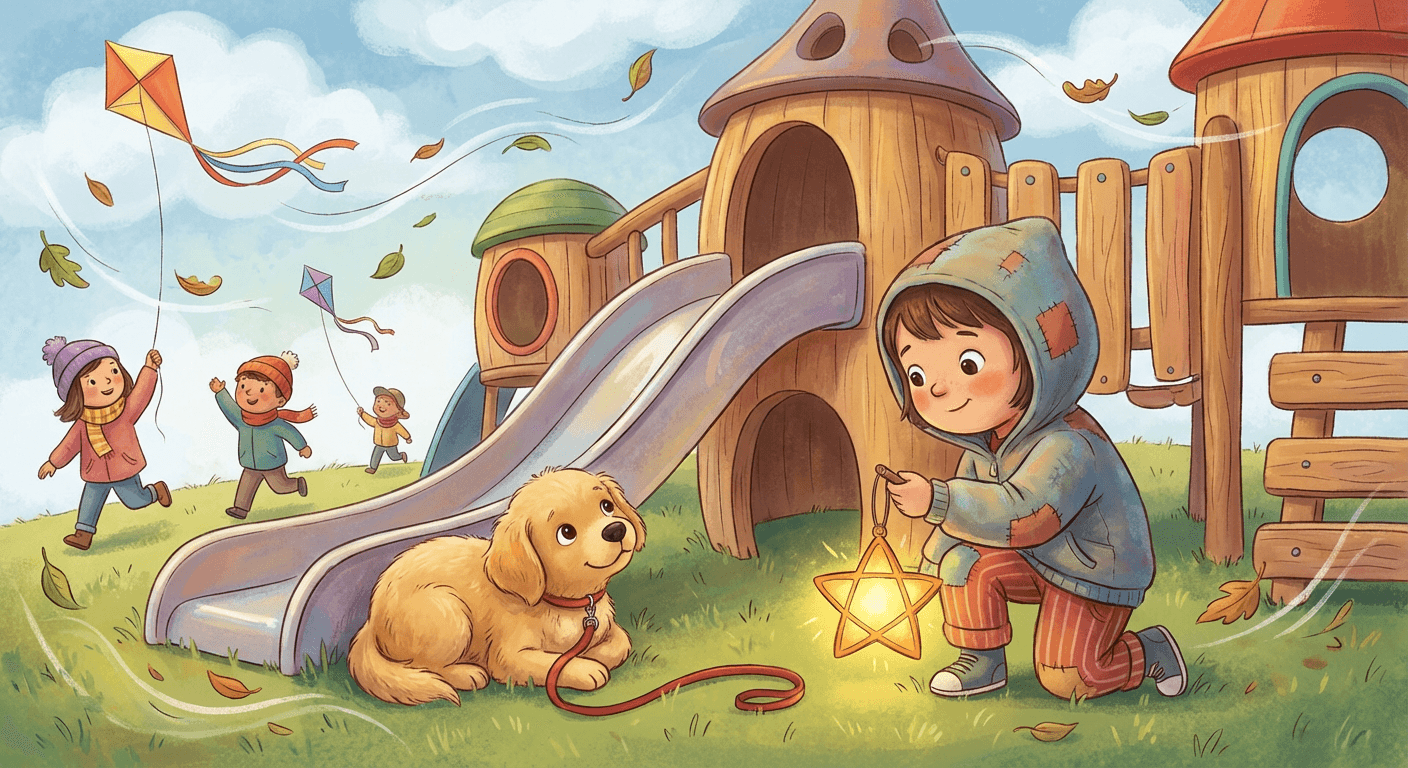
The collection also makes room for gentle bravery. “Drew the Brave Dragon and Bella the Butterfly” replaces the fearsome dragon stereotype with a caring hero who protects a smaller friend from the wind. In “The Little Lantern’s Big Adventure,” Luna’s warm glow guides a lost puppy home, highlighting how a small act of help can make a meaningful difference. These fairy tales show children that bravery is not only about grand battles; it can mean offering comfort, trying something new, or being there for a friend.
Whether your family enjoys castles, wishes, magical creatures, or bedtime-friendly adventures, these fairy tales offer warm stories to return to again and again. Each one leaves room for imagination while nurturing empathy, resilience, and the belief that kindness can be its own kind of magic.
Frequently Asked Questions
What are fairy tales for children?
Fairy tales for children are imaginative stories that often include magic, royal settings, talking animals, wishes, or larger-than-life adventures. They usually explore clear emotional ideas, such as courage, kindness, fairness, and perseverance, in a comforting story shape.
Are these fairy tales suitable for bedtime reading?
Yes, many of these stories have gentle, reassuring resolutions that work well for bedtime. “Star the Four-Star” and “The Little Lantern’s Big Adventure” are especially soothing choices, with calm nighttime imagery and caring characters.
What lessons do fairy tales teach kids?
Fairy tales can help children talk about big ideas through simple, memorable adventures. In this collection, readers encounter lessons about helping others, practicing skills, taking responsibility, making fair choices, and being brave in kind ways.
Which fairy tales include dragons and castles?
“Drew the Brave Dragon and Bella the Butterfly” features a gentle dragon who protects a butterfly friend. For castle-loving readers, “Jack and the Beanstalk” visits a giant’s castle, while “The King Who Wouldn’t Try” explores life around a king and his responsibilities.